Wholesale Pick
Nubi
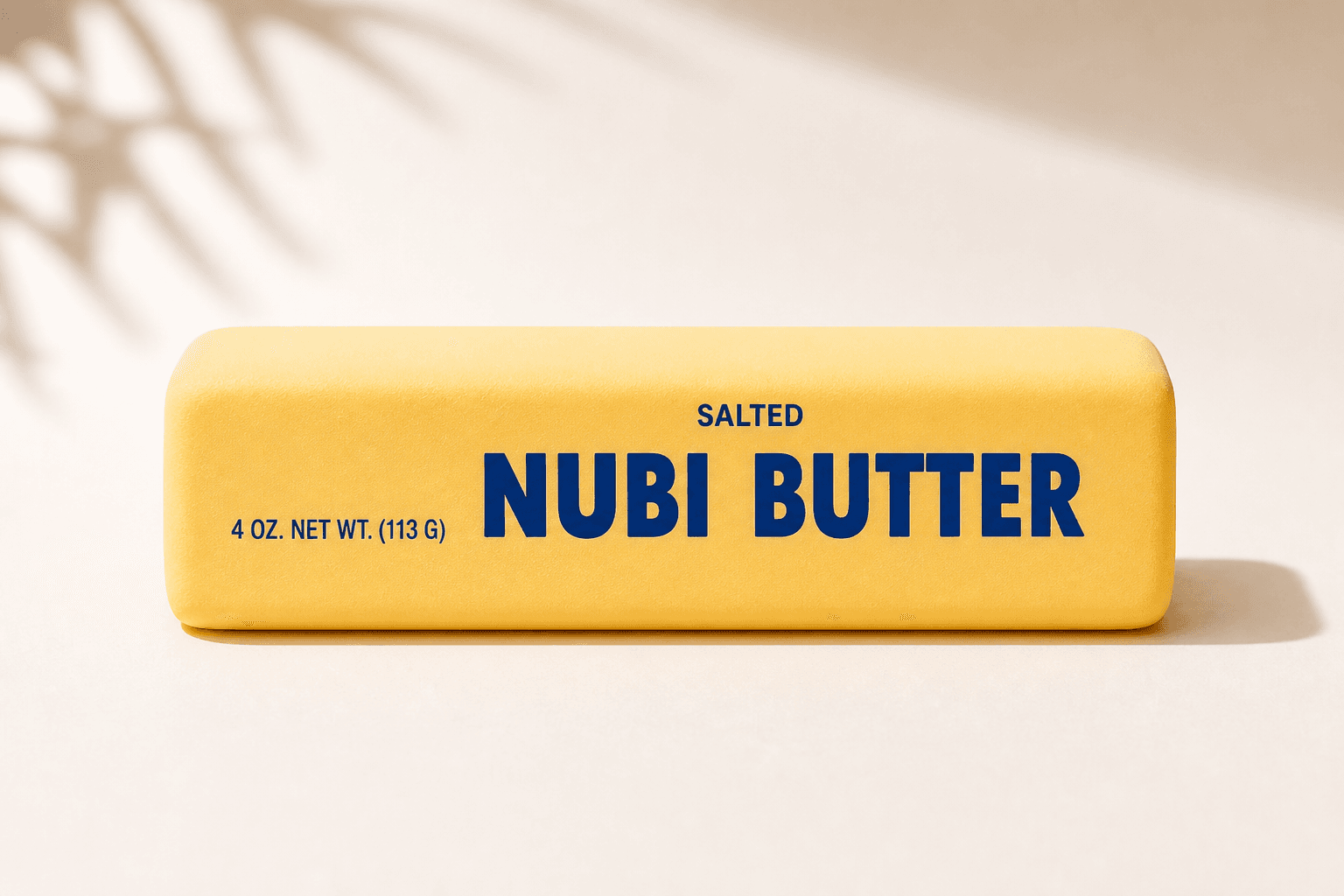
Nubi Butter
A buttery-soft bar made for steady, satisfying squeezes.
slow risesmooth texture
$2.65each
There's real science behind the satisfying squish. From anxiety relief to sharper focus, here's what your hands already know.
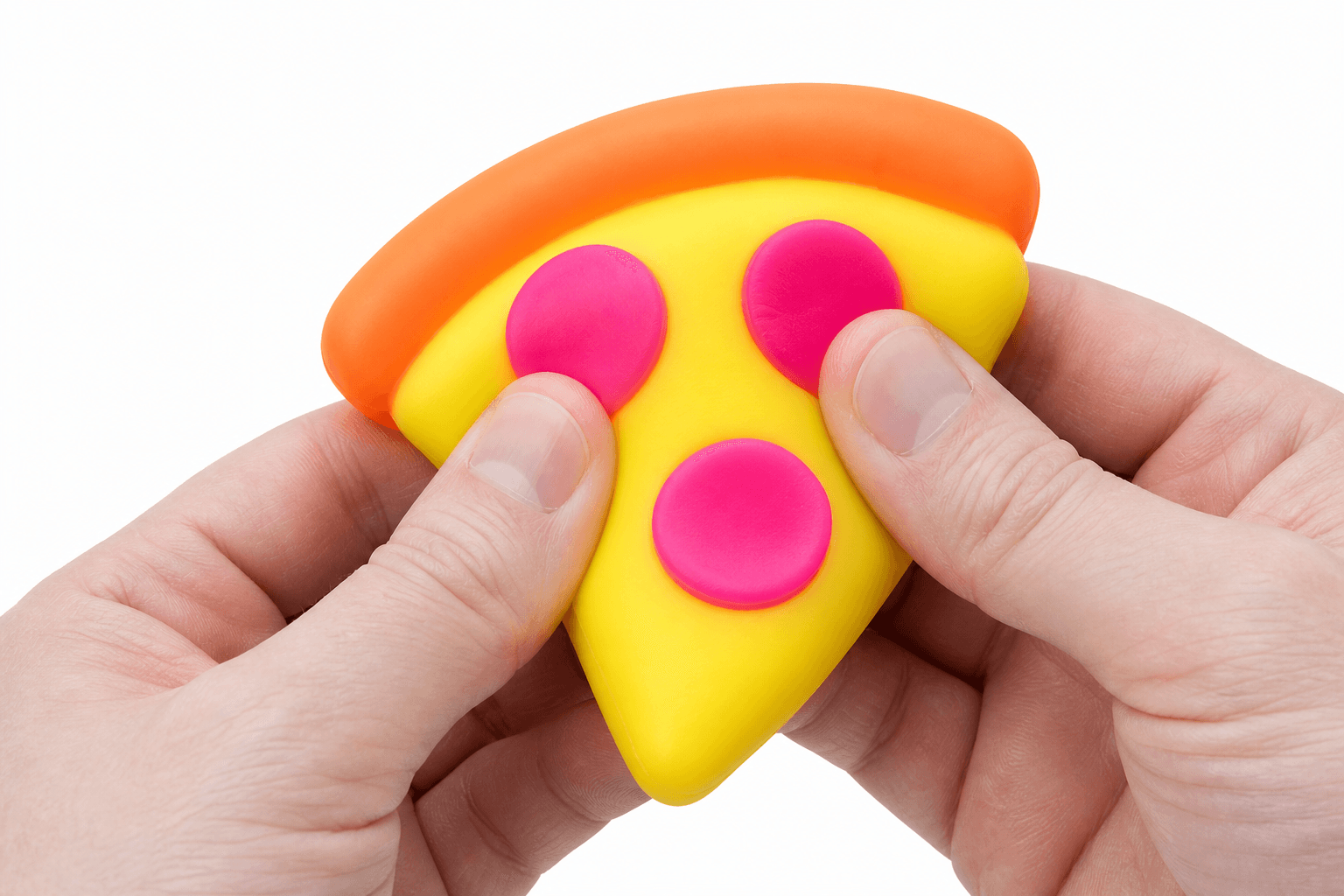
One squeeze at a time.
Repetitive squeezing activates the parasympathetic nervous system, helping to lower cortisol levels and quiet fight-or-flight responses. Many users report feeling noticeably calmer within minutes.
Having a low-level sensory outlet (like squeezing a toy) can actually improve concentration on verbal or visual tasks. It gives the fidgety part of your brain something to do so the rest can focus.
Physical sensation anchors us in the present moment — a core principle of mindfulness. Squishies provide a grounding tool for moments of overwhelm, frustration, or emotional escalation.
Using a squishy toy as part of a wind-down routine can signal to your body that it's time to relax. The tactile input helps transition out of a high-stimulation state before sleep.
For individuals with ADHD, autism, anxiety disorders, or sensory processing differences, squeeze toys can provide needed proprioceptive input that helps regulate the nervous system.
Sometimes the benefit is simply this: it makes you smile. Delight, playfulness, and humor are genuine wellness resources. A cute squishy on your desk is a small but real mood booster.
Students needing focus during study sessions
Professionals managing workplace stress
Parents and caregivers who need a quick reset
Therapists as client fidget tools
Individuals with ADHD, autism, or anxiety
Anyone who wants a small pocket of calm
Explore our collection of non-toxic, safety-tested sensory toys.